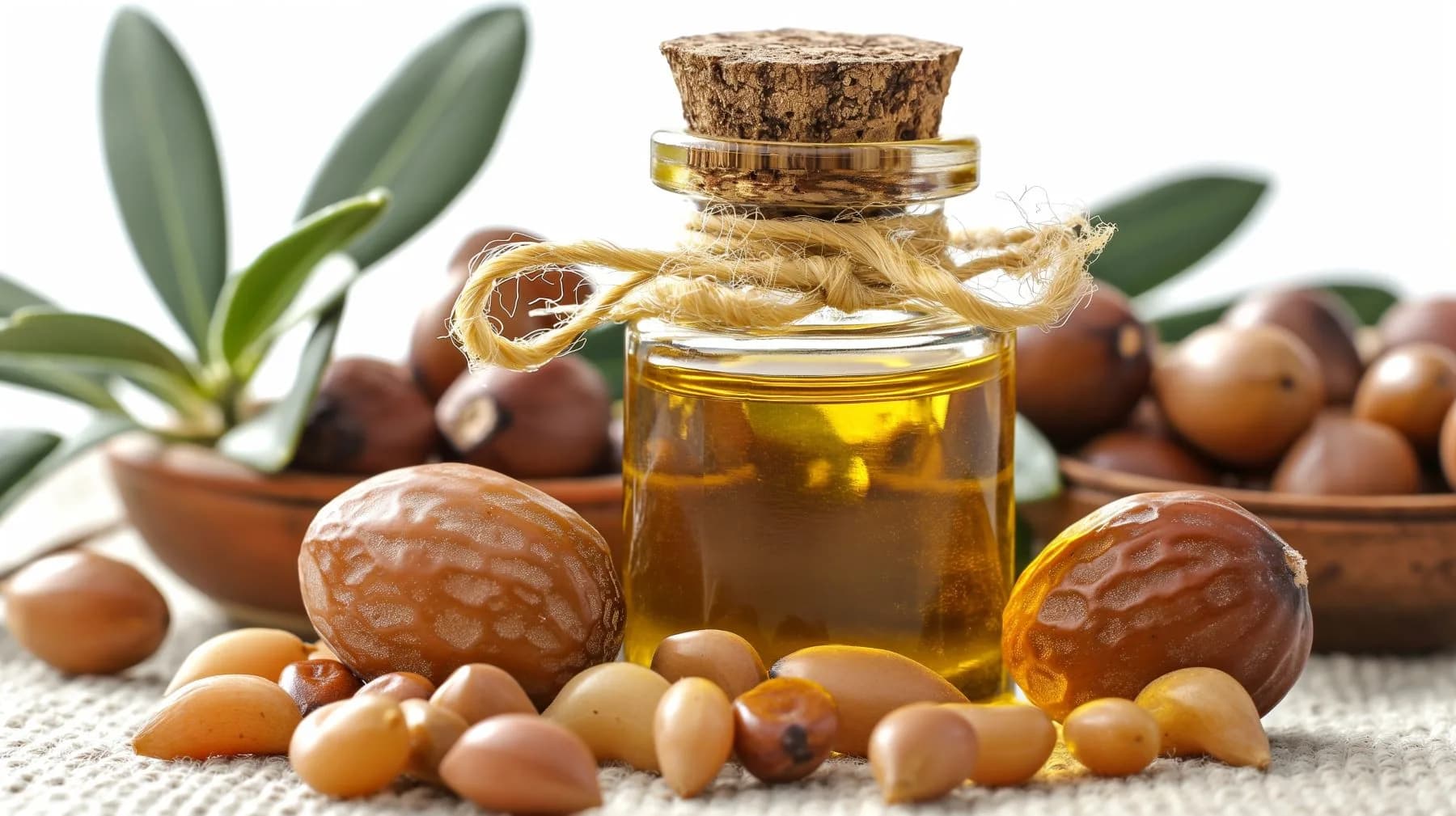
Discover how to recognize pure argan oil through the INCI, color, smell, certifications, and learn how to store it and buy it at the best price.
Introduction
Argan oil is a natural treasure from Morocco, prized for its cosmetic and culinary virtues. But faced with an abundant and often misleading offer, how can you be sure to buy genuine, pure, and quality argan oil? This comprehensive guide helps you identify true argan oils, understand their certifications, differentiate cosmetic and culinary uses, and adopt the right storage practices.
1. Recognizing Genuine Argan Oil
1.1 INCI: A Reliable Indicator
The INCI (International Nomenclature of Cosmetic Ingredients) is the list of ingredients on the packaging. For pure argan oil, the INCI must indicate only Argania Spinosa Kernel Oil. Any other mention, such as "refined argan oil," "blended argan oil," or the presence of other oils, is a sign of adulteration.
1.2 The Color of the Oil
The natural color of pure cosmetic argan oil ranges from light golden yellow to amber yellow. A shade that is too dark or too light may indicate non-traditional extraction, overheating, or mixing with other oils. For edible argan oil, the color is often darker, leaning towards light brown, because it is obtained through a different process (without excessive roasting).
1.3 The Characteristic Smell
Smell is a key sensory criterion. Pure cosmetic argan oil emits a soft hazelnut scent, slightly woody and pleasant. A rancid, strong, or absent smell may reveal oxidized, poorly stored, or refined oil, thus of lower quality.
2. Certifications and Labels: ECOCERT, USDA Organic
2.1 Why Prefer Certified Oils?
Certifications guarantee quality, purity, and compliance with strict production standards. Two labels are particularly recognized:
- ECOCERT: a European label certifying an organic oil, extracted without chemical solvents, respectful of the environment and traditional Moroccan methods.
- USDA Organic: an American label certifying organic cultivation and production without pesticides or chemical fertilizers.
An argan oil bearing these labels is generally safer, purer, and more respectful of health and the environment.
2.2 How to Recognize Labels on the Product?
Certifications are displayed on the label, often with a round or oval logo. Be vigilant against counterfeits: prefer products with clear traceability and professional packaging.
3. Cosmetic Argan Oil vs Culinary Argan Oil
3.1 Extraction Differences
Cosmetic argan oil is often cold-pressed from unroasted kernels, preserving its regenerating and antioxidant properties. Edible argan oil comes from roasted kernels, giving it a stronger flavor and darker color.
3.2 Usage Differences
- Cosmetic: skin hydration, hair care, anti-aging, anti-inflammatory.
- Culinary: condiment for salads, Moroccan dishes, source of essential fatty acids.
It is important not to confuse the two, as cosmetic oil is not intended for consumption, and vice versa.
4. Homemade Purity Test
4.1 Texture and Absorption Test
Pure argan oil penetrates the skin quickly without leaving a thick greasy film. Apply a few drops on your hand: it should be fluid, light, and non-sticky.
4.2 Olfactory Test
Warm a drop slightly between your fingers. Good argan oil then releases a subtle hazelnut fragrance. An unpleasant smell reveals oxidized or mixed oil.
4.3 Solubility Test
Put a drop of oil in a glass of cold water: pure oil does not dissolve and forms a thin film on the surface. If it mixes too much, this may indicate the addition of other oils.
5. Price and Quality: What You Need to Know
Price is often an indicator of quality, but not systematically. Pure and organic argan oil generally costs between 30 and 80 euros per 100 ml, depending on certification and production method. A price that is too low should raise suspicion, as traditional production is costly.
Buying from recognized Moroccan cooperatives guarantees an authentic product, often fair trade, which values the work of women who extract the oil manually.
6. Moroccan Cooperatives: A Guarantee of Authenticity
Women's cooperatives in Morocco play a fundamental role in argan oil production. They respect ancestral methods, ensure quality, and enable a positive social impact.
Favoring these cooperatives means supporting a sustainable local economy and having the guarantee of pure, unrefined, cold-pressed argan oil.
7. Storing Argan Oil
7.1 Ideal Conditions
To preserve all the properties of argan oil, store it away from light, in a tinted glass bottle, at room temperature, ideally between 15 and 25 °C.
7.2 Shelf Life
Pure argan oil keeps for about 12 to 18 months. After this period, it may become rancid and lose its benefits. Always check the expiration date and the appearance of the oil before use.
Conclusion
Choosing pure argan oil requires vigilance and knowledge. By checking the INCI, color, smell, certifications, and favoring Moroccan cooperatives, you ensure an authentic and effective product. Adopt proper storage practices to fully enjoy the exceptional virtues of this precious oil.